Table Of Content
- Should I use rosemary oil for hair loss?
- Can rosemary oil help with hair loss caused by alopecia?
- What are the side effects of using rosemary oil on hair?
- It’s dry, irritated skin season. Here’s how dermatologists deal with it
- Massage, rinse, repeat
- Other Benefits of Rosemary Oil
- Rosemary Oil Is Hailed as a Natural Hair Growth Alternative — But Does It Really Work?

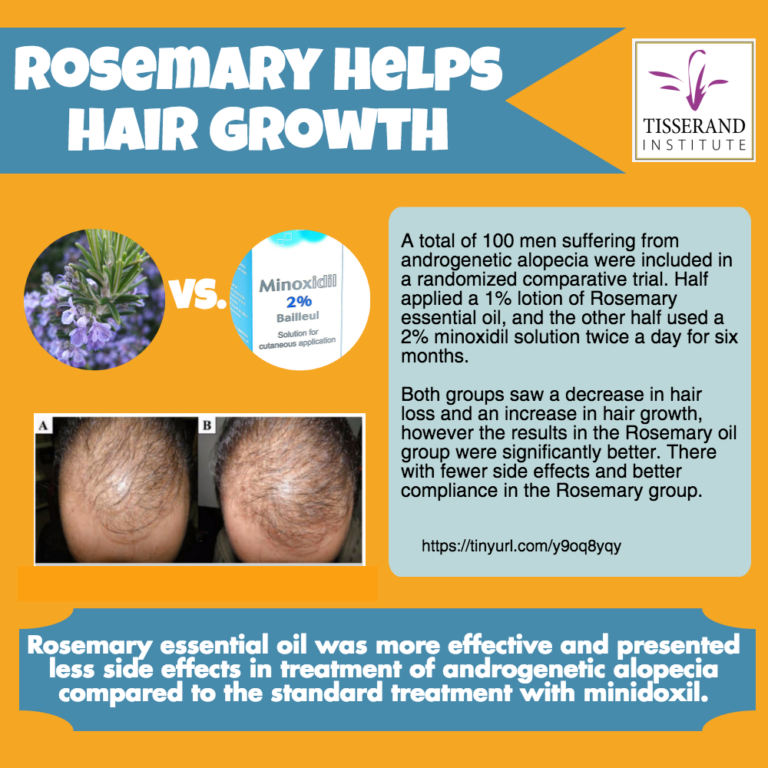
It took six months for testers to notice hair growth in the 2015 study that compared daily rosemary oil scalp treatments to minoxidil. That said, it’s not guaranteed you’ll see any hair-growth results from rosemary oil, let alone in a specific time span. Like peppermint essential oil (also used to promote hair growth), rosemary essential oil strengthens circulation.
Should I use rosemary oil for hair loss?
As an oil, it also inherently provides a bit of moisture and shine, which can help prevent breakage, adds Sabrina Rowe Holdsworth, celebrity hairstylist and founder of NTRL by Sabs. While side effects are rare with topical use, check with your healthcare provider before using the oil topically. This rosemary hair mask won over our editors, and will do the same for you. While it can be used for all hair types, those with curly or coarse hair will find themselves impressed with the life it can bring to your tresses.
Can rosemary oil help with hair loss caused by alopecia?
This is called telogen effluvium, and it’s common with covid as well as a myriad of causes like sudden weight loss or surgery. After the stressful event stops, your hair will gradually grow back. So if the abstract was all you read, and you assumed it was accurate, rosemary oil sounds really promising.
Why Rosemary Oil Makes Hair Grow Faster And Thicker (And All The Best Products To Use) - British Vogue
Why Rosemary Oil Makes Hair Grow Faster And Thicker (And All The Best Products To Use).
Posted: Fri, 04 Aug 2023 10:27:29 GMT [source]
What are the side effects of using rosemary oil on hair?
Rosemary oil is a natural anti-inflammatory and antioxidant that can support scalp health and, in theory, help support hair growth. “When a rosemary oil blend is massaged directly onto the scalp, it can improve blood circulation, feed the follicle, and eliminate inflammation,” Kerry E. Yates, a trichologist and founder of Colour Collective, tells Glamour. Scalp health has a major impact on hair growth, and improving blood circulation is important for the anagen phase of the hair growth cycle. This is the active phase, in which cells in the follicles of your hair rapidly divide to produce new hair, according to famed trichologists at scalp-care brand Philip Kingsley.
An old study from 1989 found that a combination of essential oils (rosemary, thyme, lavender, and cedarwood oil) induced significant hair growth when applied to the scalp on a daily basis. However, this study is old and didn’t isolate rosemary oil specifically as a hair loss treatment. If you're not looking to DIY, rosemary oil can be found in many hair and scalp products. Dr. King likes Carter+Jane’s ScalpFix, which she says mixes rosemary oil with peppermint oil to remove excess oil and soothe redness and irritation. She also loves it because it has antimicrobial properties and is microbiome friendly.
But if it persists, she suggests an over-the-counter cortisone cream to shut down symptoms quickly. Remember to consult with a board certified dermatologist for an accurate assessment of whether rosemary oil is compatible with your hair type or if you have sensitive skin. Recent research shows rosemary's antioxidant and anti-inflammatory properties increase blood flow to the scalp, nourishing hair follicles for stronger growth.
What Studies Say?
Rosemary oil is an essential oil extracted from the flowers and leaves of the rosemary plant (a.k.a Rosmarinus officinalis), explains chemist and licensed cosmetologist Kiara Brumfield. Turns out, rosemary oil for hair might be a great option to test out if you’re dealing with hair loss or thinning, as well as dry, itchy scalp. While there are a few studies showing promise for rosemary oil and hair growth, more research needs to be done to definitively call it a proven hair-growth treatment. But as is the case with most hair growth remedies, don't expect results overnight. As great as a rosemary oil concoction might be for calming inflammation, it's no magic hair cocktail—but hey, it might be worth a shot. Keep in mind, though, that essential oils, even when mixed with a carrier oil, can be potentially irritating, so you might want to take it slowly at first (like two to three times a week).
Other Benefits of Rosemary Oil
You can also add essential oils for your preferred health and beauty benefits. These may incorporate a mixture of baking soda, coconut oil, essential oil, and possibly other oils. Alternatively, instead of playing scientist and adding rosemary essential oil to other products, you can use ones that already include the ingredient. Always follow the product's labeling information for dosage and dilution of the rosemary essential oil. Dilute the essential oil with a carrier oil when using it on the hair and scalp.
Rosemary Oil Is Hailed as a Natural Hair Growth Alternative — But Does It Really Work?
Is rosemary oil the Rogaine dupe the world has been waiting for, or is it just another overhyped fad? We tapped board-certified dermatologist Dr. Kseniya Kobets to find out the truth about using rosemary oil for hair growth. Pair this silicone massage tool with your fave rosemary oil to help boost its benefits. Designed with an easy-to-grip handle and soft teeth, it’s safe to use on sensitive scalps and helps to evenly distribute any product. And as you’d expect for a treatment that probably doesn’t have much of an effect, there are also heaps of people on social media saying rosemary oil made their hair loss worse. The average difference for rosemary oil and minoxidil after 6 months is 6 and 2 hairs respectively, in groups where the standard deviation is up to around 50.
Minoxidil is one of the best studied treatments for hair loss, which is why this paper sounds so impressive – but the detail here is the concentration used. It’s also often seen in Minoxidil shedding and Finasteride shedding. After a couple of weeks, hair shedding should stop and new hairs will regrow in their place.
Make sure to bookmark these LookFantastic discount codes when shopping for rosemary hair oil products. The experts have a few need-to-know tips for how to incorporate rosemary oil into your hair routine. The oil has a good safety profile with minimal side effects, if any. Han says that an itchy scalp and irritation along with dandruff has been reported in a few cases. According to Claire, a good rosemary oil formula will have rosemary (botanical name Rosmarinus Officinalis leaf oil) high up on the list – the lower down it is on the list indicates a lower amount of the ingredient inside. In this rosemary oil study, the self-assessment data does seem to be yet another red flag.
Chief among these are rosmarinic acid and carnosic acid, which have strong anti-inflammatory and antioxidant properties. Because it’s a pretty potent ingredient, for some, excess use of rosemary oil may lead to some itching and burning, says Holdsworth. “It can cause mild irritation of the scalp and should be discontinued if this is experienced,” adds Dr. Garlapati. Some research shows that rosemary oil may help stimulate hair growth. Anyone with a skin condition or skin sensitivity should use caution when using essential oils.


No comments:
Post a Comment